
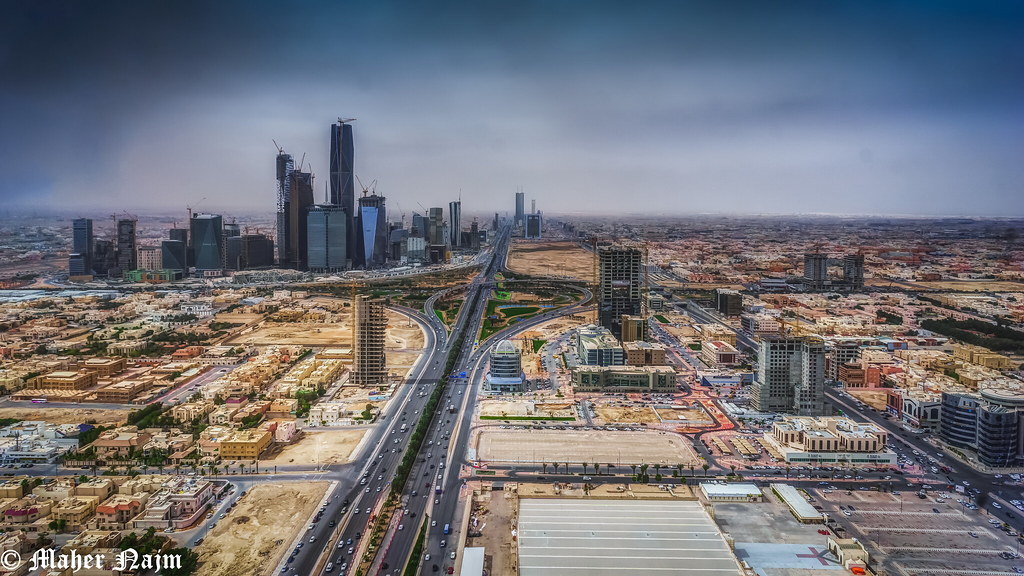
Since 2021, more than 500 multinationals have committed their regional headquarters to Saudi Arabia, racing toward a Vision 2030 target that has made Riyadh the Gulf’s fastest-rising corporate capital. The result, in early 2026, is a steady net inflow of expat professionals and their families, a tightening housing market, and a city that looks very different from the Riyadh of even five years ago. If you are weighing a move, this moving to Riyadh 2026 expat guide sets out exactly what to expect: where to live, what it costs, the salary you genuinely need, and why corporate momentum is doing the heavy lifting.
Whether you are an individual offered a role at a newly minted regional HQ or an HR lead mobilising an entire executive team, these are the seven things that matter most before you sign.
1. The RHQ Boom Is the Reason Everyone Is Moving
Riyadh’s expat surge is not organic drift; it is policy-driven. The Regional Headquarters (RHQ) programme requires multinationals that want to win Saudi government contracts to base their Middle East HQ in the Kingdom. With over 500 companies already committed since 2021, demand for senior international talent, from country managers to finance directors and supply-chain leads, has outstripped local supply.
For expats, that means genuine bargaining power on packages. For corporate mobility teams, it means competing for the same housing, schools and visa slots as dozens of rival firms moving simultaneously. Understanding the incentives behind the move helps you time it well; our companion piece on the Riyadh RHQ setup and the 30-year 0% tax holiday explains the corporate side in detail.
2. Pick the Right Neighbourhood Early
Riyadh sprawls, and where you live shapes your commute, your social life and your budget. As of 2026, these are the districts expats gravitate toward:
- Hittin – Upmarket and leafy in the north-west, close to international schools and the diplomatic quarter. Popular with senior executives and families who want space and prestige.
- Al Narjis – A newer, fast-developing northern district with modern villas and compounds, well placed for the King Khalid International Airport run. Strong value for families.
- Al Yasmin – Established, family-friendly and central to the northern expat belt, with malls, clinics and schools within easy reach.
- Diriyah – The historic UNESCO district undergoing a multi-billion-dollar transformation into a cultural and lifestyle destination. Increasingly aspirational for those who want heritage plus new luxury.
Western expats and families often favour gated compounds for the community, security, pools and relaxed social environment they offer, while single professionals frequently choose serviced apartments closer to the business districts.
3. Know the Real 2026 Rents and Compound Costs
Housing is the single largest line in any Riyadh budget, and the corporate influx has pushed rents upward. Costs vary widely by district, property type and compound amenities, but the table below gives a realistic 2026 orientation for the popular northern areas.
| Housing type | Typical profile | Indicative monthly cost (SAR) |
|---|---|---|
| Studio / 1-bed apartment | Single professional, city districts | 3,500 – 6,000 |
| 2–3 bed apartment | Couples / small families, Al Yasmin / Al Narjis | 5,500 – 9,000 |
| Compound villa (mid-range) | Families wanting community & amenities | 9,000 – 16,000 |
| Premium compound villa | Senior execs, Hittin / DQ-adjacent | 16,000 – 30,000+ |
Two practical points. First, Saudi landlords traditionally expect rent annually or in a small number of large instalments, so plan cash flow accordingly. Second, premium compound waiting lists in the most sought-after addresses can be long during the current inflow, so begin your home search before you arrive rather than on landing.
4. The Salary You Actually Need
Riyadh has no personal income tax, which materially improves take-home pay, but housing, schooling and lifestyle still demand a solid package. As a 2026 benchmark:
- A single professional typically needs around SAR 22,000–28,000 per month to live comfortably, covering a decent apartment, transport, dining and savings.
- A family realistically needs SAR 45,000–60,000 per month once compound rent and international school fees are factored in.
Schooling is often the make-or-break number for families: international school places are in high demand and fees can rival rent. If your offer does not include a schooling allowance, negotiate hard. For broader context on package expectations across the region, our overview of job opportunities in Saudi Arabia is a useful starting point.
5. Get Visas, Attestation and Documents in Order First
Your work and residency status in Saudi Arabia flows from employer sponsorship (the Iqama system), and the paperwork is where timelines most often slip. Degrees, marriage and birth certificates and professional qualifications generally need to be attested before they will be accepted, a multi-step process that is far easier to run in parallel with everything else than to discover late.
Build attestation into your timeline from week one. Our guide to MEA attestation for Saudi Arabia walks through the document-attestation chain so families travelling together and dependants’ paperwork do not become the bottleneck that delays a school enrolment or a spouse’s residency.
6. Budget Beyond the Rent
Once housing is settled, Riyadh life carries a familiar set of recurring costs. Plan for:
- Transport – Most expats drive; fuel is inexpensive and the new Riyadh Metro has expanded public-transport options. A car remains the practical default for families.
- Utilities and connectivity – Manageable, though air-conditioning load in summer pushes electricity bills up sharply from June through September.
- Healthcare – Employer-provided private medical insurance is standard; confirm dependant coverage and class of hospital in your contract.
- Lifestyle – Dining, gyms, weekend trips and the city’s fast-growing entertainment and events scene add up; the city is far livelier than its reputation suggests.
7. For HR and Mobility Teams: Move as a Programme, Not a Booking
With hundreds of multinationals relocating talent into the same city at once, corporate moves to Riyadh succeed or fail on coordination. The hidden costs, temporary accommodation overruns, duplicated shipping, failed school placements and stalled visas, are exactly the items that erode a relocation budget; we cover them in our breakdown of the hidden costs of corporate relocation.
A cultural-readiness step matters too. Riyadh is more relaxed than many newcomers expect, but local customs still shape daily and professional life; our guide to respecting Saudi Arabia’s customs and culture helps employees settle faster and reflect well on their employer.
And for those thinking long term, the rules are changing fast, though in Riyadh foreign residential ownership is limited to designated zones under the 2026 law rather than open market-wide: see our explainer on whether foreigners can buy property in Saudi Arabia under the 2026 law before you assume renting is your only option.
Frequently Asked Questions
How much salary do I need to live in Riyadh in 2026?
As of 2026, a single professional typically needs around SAR 22,000–28,000 per month to live comfortably, while a family generally needs SAR 45,000–60,000 per month once compound rent and international school fees are included. Saudi Arabia has no personal income tax, which improves take-home pay.
Which are the best neighbourhoods for expats in Riyadh?
The most popular expat districts in 2026 are Hittin (upmarket, near the diplomatic quarter and schools), Al Narjis and Al Yasmin (modern, family-friendly northern areas) and Diriyah (the transforming historic and lifestyle district). Families often choose gated compounds for community and amenities.
Why are so many expats moving to Riyadh right now?
Since 2021, over 500 multinationals have committed regional headquarters to Saudi Arabia under the Vision 2030 RHQ programme. This corporate momentum is driving strong demand for senior international talent and net expat inflows into Riyadh in early 2026.
How much does it cost to rent a compound villa in Riyadh?
In 2026, a mid-range compound villa typically costs SAR 9,000–16,000 per month, while premium villas in sought-after areas such as Hittin typically cost SAR 16,000–30,000+ per month. Rent is often paid annually or in a few large instalments, so plan cash flow in advance.
What documents do I need to relocate to Riyadh?
Your residency runs through employer sponsorship under the Iqama system. You will generally need attested degrees, and attested marriage and birth certificates for dependants. Starting the attestation process early is essential, as it is a common cause of delays to school enrolments and family visas.
Move to Riyadh With a Team That Knows the Capital
From compound home search and international school placement to visas, document attestation and full corporate mobility, Relocate MENA manages Riyadh moves end to end for both families and HR teams. We are specialists in employee relocation to Saudi Arabia, with the local knowledge to move you ahead of the queue. To plan your relocation or mobilise a team into the Kingdom’s rising capital, email [email protected] or visit relocatemena.com.