
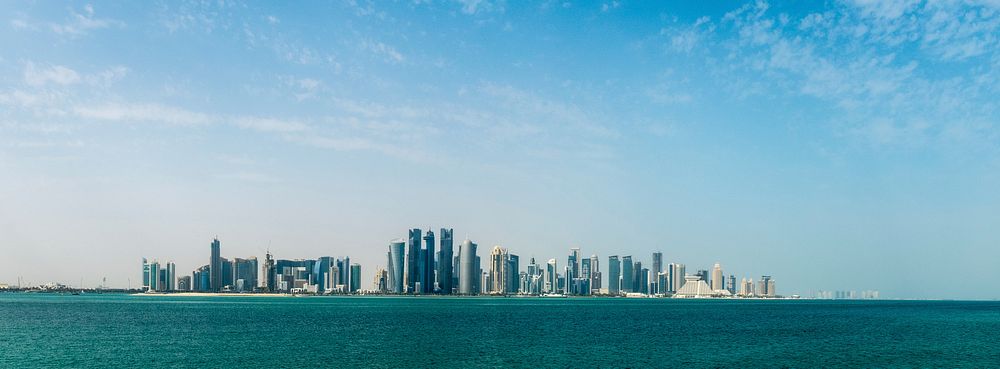
With the IMF forecasting 6.1% GDP growth for Qatar in 2026, Doha is hiring again, and recruiters across energy, construction, finance, education and healthcare are once more dangling overseas packages in front of candidates. Yet the single question that decides whether a Doha offer is generous or merely adequate is rarely answered honestly in the interview room: what does it actually cost to live here? According to Property Finder Qatar’s 2026 data, a single professional should budget roughly USD 3,430 a month all-in. For a family of four, the figure climbs steeply, and a specific salary threshold can determine whether your spouse and children can even join you. This guide breaks down the real numbers so you can negotiate, budget and relocate with confidence.
The headline cost of living in Doha 2026
Doha is a high-income, tax-free city, and that combination cuts both ways. There is no personal income tax, which inflates take-home pay relative to Europe or North America, but housing and international schooling can absorb that advantage faster than newcomers expect. The Property Finder Qatar 2026 benchmark of around USD 3,430 per month for a single person assumes a city-centre one-bedroom apartment, utilities, groceries, transport and a normal social life, not a frugal one.
The biggest single line in any Doha budget is rent, and it varies enormously by neighbourhood. As of 2026, a city-centre one-bedroom apartment typically runs QAR 6,200 to QAR 9,500 per month, with prestige waterfront addresses such as The Pearl and West Bay sitting at the top of that range, and inland districts offering better value. Because rent dominates, where you choose to live matters more than almost any other decision you make.
Where the money actually goes
- Housing – comfortably the largest expense; expect it to consume 35-50% of a typical net salary.
- Schooling – for families, international school fees can rival rent and are the most underestimated cost of all.
- Utilities – pleasantly low thanks to government subsidy (more below).
- Groceries and dining – imported Western brands carry a premium; regional produce is affordable.
- Transport – fuel is cheap, the Doha Metro is inexpensive, and many packages include a car allowance.
Housing: rents, neighbourhoods and freehold zones
Doha’s rental market in 2026 rewards research. The same budget that secures a compact one-bedroom on The Pearl will stretch to a far larger apartment or a townhouse a short drive inland. Compounds with shared pools, gyms and gardens remain the default choice for families, while young professionals gravitate toward the high-rise life of West Bay and the marina-side cafes of The Pearl.
Indicative 2026 monthly rents
| Property type | Area | Indicative monthly rent (QAR) |
|---|---|---|
| 1-bed apartment | City centre (West Bay / The Pearl) | 6,200 – 9,500 |
| 1-bed apartment | Inland / suburban | 4,500 – 6,500 |
| 2-3 bed apartment | City centre | 9,000 – 15,000 |
| 3-4 bed compound villa | Family suburbs | 12,000 – 22,000+ |
Figures are indicative 2026 ranges and move with location, building age and amenities.
Can expats buy property in Doha?
Yes. Qatar permits foreign nationals to buy freehold property in designated zones, the best known being The Pearl-Qatar, West Bay Lagoon and Lusail. Purchasing above a set value can also unlock residency benefits, making ownership attractive for long-term residents and investors. For a wider perspective on supply, demand and tenant rights across the region before you commit, our overview of the cost of living in major MENA cities is a useful companion read.
Subsidised utilities: one of Doha’s genuine bargains
Here is where Doha pleasantly surprises new arrivals. Electricity and water are provided by Kahramaa and are heavily subsidised, so even with air conditioning running for much of the year, monthly utility bills are modest by Gulf standards. The practical upshot is that the eye-watering summer cooling costs people fear rarely materialise. Budget a sensible amount for internet and mobile, factor in district cooling charges if your building uses it, and utilities will remain one of the smaller items on your spreadsheet rather than a nasty surprise.
The family-visa salary rule you must understand
This is the single most important rule for anyone planning to bring loved ones to Doha, and getting it wrong can leave your family stranded abroad. To sponsor dependants, an expatriate employee must meet a minimum salary threshold. As of 2026 the headline figure is a salary of QAR 10,000 per month, which falls to QAR 6,000 per month if your employer also provides housing (or a housing allowance recognised as such on your contract).
The distinction matters when you negotiate. A QAR 8,000 cash salary with no housing provision will not, on its own, qualify you to sponsor a spouse and children, whereas the same package structured with company accommodation can. Always confirm in writing how your offer is composed before you accept.
- QAR 10,000/month – qualifies for family sponsorship without employer housing.
- QAR 6,000/month – qualifies if your employer provides housing or a recognised housing allowance.
- You will need an attested marriage certificate to sponsor a spouse and attested birth certificates for children.
Document attestation is where many family applications stall. Marriage and birth certificates must be legalised in your home country and then attested in Qatar, a multi-step process best started weeks before you fly. For families coordinating school places alongside visas, our guide to navigating school admissions during an international move explains how to sequence enrolment so your children do not miss the academic intake.
Single person vs family of four: two monthly budgets
Numbers tell the clearest story. Below are illustrative all-in monthly budgets for 2026, anchored to the Property Finder benchmark for a single professional and scaled realistically for a family. Treat them as planning baselines, not quotes; your lifestyle, neighbourhood and school choice will move the totals.
| Category | Single professional (QAR) | Family of four (QAR) |
|---|---|---|
| Rent | 7,000 | 14,000 |
| Utilities & internet | 600 | 1,200 |
| Groceries | 1,800 | 4,500 |
| Transport | 900 | 1,800 |
| Schooling (per child) | 0 | 6,000 – 12,000+ |
| Dining, leisure & misc. | 2,200 | 3,500 |
| Indicative total | ~12,500 (≈ USD 3,430) | ~31,000 – 37,000+ |
The family total swings most on schooling. International school fees are the variable that turns a comfortable package into a tight one, so secure clarity on education allowances during negotiation.
Negotiating a package that actually works
Because housing, schooling and the visa threshold are so tightly linked, the structure of your offer matters as much as the headline number. Push for an explicit housing component to unlock the lower QAR 6,000 sponsorship route, ask whether schooling allowances are included for dependants, and confirm whether shipping, flights and a settling-in period are covered. A well-structured package protects both you and, where relevant, your employer’s mobility budget. For broader guidance on a smooth family move, our top tips for a stress-free family relocation are worth bookmarking. If Doha is one of several cities on your shortlist, compare it against our companion Riyadh 2026 expat relocation guide.
Frequently Asked Questions
What is the cost of living in Doha 2026 for a single person?
Property Finder Qatar’s 2026 data puts an all-in monthly cost of around USD 3,430 for a single professional. That assumes a city-centre one-bedroom apartment, subsidised utilities, groceries, transport and a normal social life rather than a bare-bones budget.
How much does it cost to rent an apartment in Doha?
As of 2026, a city-centre one-bedroom apartment in areas such as West Bay or The Pearl typically costs QAR 6,200 to QAR 9,500 per month. Inland and suburban districts are cheaper, while larger family apartments and compound villas range from roughly QAR 9,000 to QAR 22,000 or more.
What salary do I need to sponsor my family in Qatar?
To sponsor dependants in 2026 you generally need a salary of at least QAR 10,000 per month, or QAR 6,000 per month if your employer also provides housing or a recognised housing allowance. You will also need attested marriage and birth certificates.
Can foreigners buy property in Doha?
Yes. Foreign nationals can purchase freehold property in designated zones such as The Pearl-Qatar, West Bay Lagoon and Lusail. Buying above a set value can also unlock residency benefits, which appeals to long-term residents and investors.
Are utilities expensive in Doha?
No. Electricity and water are supplied by Kahramaa and are heavily subsidised, so monthly bills stay modest even with air conditioning running for much of the year. Internet, mobile and district cooling are separate but remain a small share of a typical budget.
Plan your Doha move with Relocate MENA
Whether you are an individual weighing up a Doha offer or an HR team relocating talent into Qatar’s growing economy, Relocate MENA handles the moving parts that derail rushed moves, from international shipping and home and school search to visa processing, document attestation and corporate relocation support, all coordinated through our Relo-Global platform. Get a tailored Doha cost and relocation plan by emailing [email protected] or visiting relocatemena.com.