
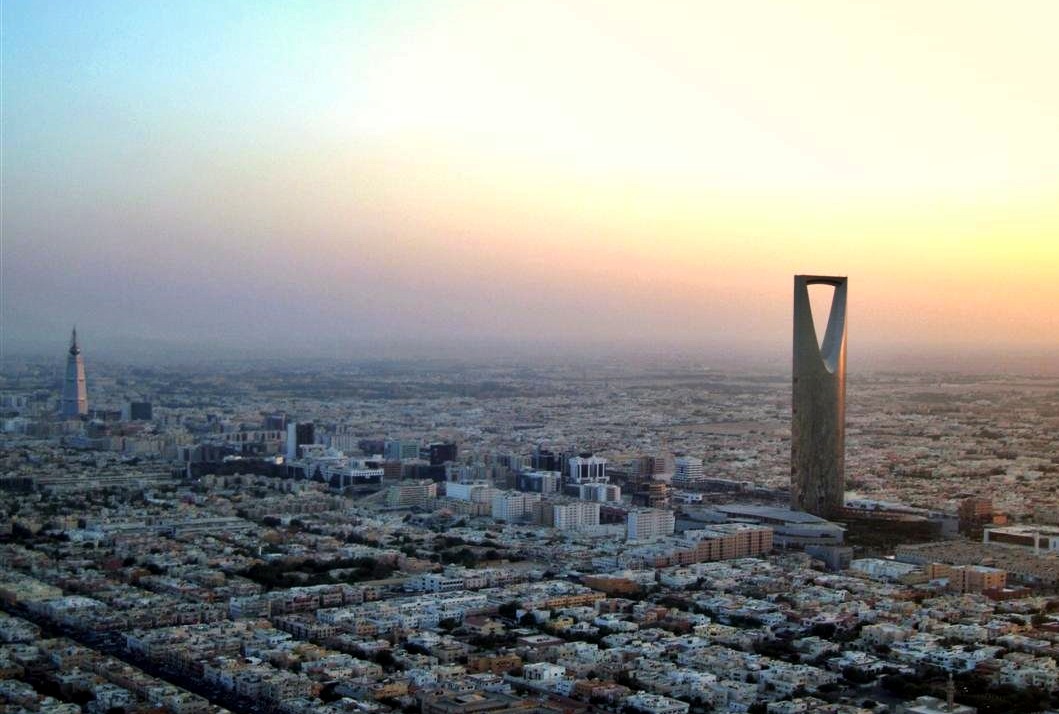
For decades the answer to “can foreigners buy property in Saudi Arabia?” was effectively no, at least not freehold. That changed on 21 January 2026, the day the Kingdom’s Foreign Property Ownership Law came into force. Enacted by Royal Decree M/14 and gazetted on 25 July 2025, the law lets non-Saudis own real estate outright for the first time, opening one of the largest untapped property markets in the region to expat buyers and international investors.
If you are relocating to the Kingdom, planning ahead for a Vision 2030 posting, or simply weighing whether to rent or buy, this guide translates the landmark law into a practical, step-by-step move-and-buy plan: which zones you can buy in, what it costs, the carve-outs you need to know about, and the penalties for getting it wrong.
What the 2026 Foreign Property Ownership Law actually changes
Before 2026, non-Saudi access to real estate was tightly restricted. Most expats rented; ownership was largely limited to GCC nationals, certain investment licences, or long leasehold arrangements. The new framework is a genuine shift in principle: it establishes a legal right for foreigners, both individuals and companies, to own freehold property in designated areas of the country.
The headline points, as of 2026, are straightforward:
- Freehold for non-Saudis is now permitted for the first time, not just usufruct or leasehold.
- Ownership is zone-based: you can buy in areas designated by the regulator, not anywhere in the Kingdom.
- A transfer fee of up to 5% applies to qualifying transactions.
- Fines reach up to SAR 10 million for serious violations of the law.
The day-to-day mechanics are overseen by Saudi Arabia’s Real Estate General Authority (REGA), which is responsible for defining the eligible zones and the conditions attached to them. That zone designation is the single most important concept to understand before you start house-hunting.
Which zones can foreigners buy in?
The law does not throw the whole country open. Instead, it works on a designated-area model: REGA identifies specific zones, primarily in and around the major economic centres, where non-Saudi freehold ownership is allowed. In practice this concentrates eligibility in the cities where most expats actually live and work, including the Riyadh and Jeddah metropolitan areas and the growing giga-project and economic-zone developments tied to Vision 2030.
Because the eligible map is defined by the regulator rather than fixed in the statute, it can be expanded over time as new districts and developments come online. The practical takeaway for buyers is simple: confirm a specific property sits inside a currently designated zone before you commit. A villa you love may be perfectly priced and perfectly located for your commute, yet still fall outside an eligible area, in which case freehold purchase is not available to you.
The Makkah and Madinah carve-out
The most important exception concerns the two holy cities. Ownership in Makkah and Madinah is treated as a special case, with tighter conditions and additional restrictions on non-Saudi ownership rather than the standard zone-based freehold available elsewhere. If your relocation points you toward either city, assume that ownership rules are different and more limited, and seek specific legal confirmation rather than relying on the general framework that applies to Riyadh or Jeddah.
The one-residential-property route for residents
Alongside the investor and zone-based pathways, the framework recognises that many of the people who want to buy are simply expats already living and working in the Kingdom. There is provision for resident foreigners to acquire a residence for their own use, broadly a single residential property, subject to meeting the relevant conditions. This is the route most relocating families will care about most: the ability to put down roots, build equity instead of paying rent, and stay in the home and neighbourhood your children have settled into.
The real cost: fees and taxes to budget for
Buying across a border is never just the sticker price. Beyond the agreed value of the property, you should plan for several layers of cost. The figures below combine what the new law sets out with the wider transaction costs that apply in the Saudi market as of 2026.
| Cost item | What to expect | Who pays |
|---|---|---|
| Transfer fee (new law) | Up to 5% of the transaction value | Buyer (confirm per transaction) |
| Real Estate Transaction Tax (RETT) | Levied on property transfers in the Kingdom | Typically the seller, but confirm |
| Registration & documentation | Title registration and notarisation costs | Buyer |
| Agency & legal fees | Brokerage plus independent legal review | Buyer (negotiable) |
| Attestation of foreign documents | Authentication of passports, powers of attorney, corporate papers | Buyer |
Two practical points. First, the up-to-5% transfer fee is a ceiling, not a flat rate, so verify the exact figure for your specific transaction and zone rather than assuming the maximum. Second, much of the paperwork you bring from home, such as a power of attorney allowing a representative to sign on your behalf, will need to be properly attested to be accepted in the Kingdom. Our guide to Saudi Arabia document attestation walks through that process so your purchase is not delayed by a rejected document.
The penalties: why compliance matters
The law is permissive but not loose. To protect the integrity of the designated-zone system, it attaches significant penalties to violations, with fines reaching up to SAR 10 million for the most serious breaches, and the prospect of forced disposal of an improperly acquired property. Examples of the behaviour the rules are designed to catch include attempting to buy outside eligible zones, using a nominee Saudi owner to disguise foreign ownership, or providing false information to register a transaction.
The lesson for any genuine buyer is reassuring rather than alarming: stay inside the designated zones, register transparently in your own name (or your company’s), and have the eligibility of both the property and the buyer confirmed in writing before money moves. Do that, and the SAR 10 million headline is simply a deterrent aimed at people trying to game the system, not at you.
Your step-by-step move-and-buy plan
Pulling it together, here is the sequence we recommend to relocating individuals and corporate-sponsored employees alike:
- Confirm your status. Establish whether you are buying as a resident (single-residence route), an individual investor, or a company, as the conditions differ.
- Shortlist within eligible zones. Match your preferred areas in Riyadh, Jeddah or an economic-zone development against the current REGA-designated map.
- Verify the specific property. Get written confirmation that the exact unit sits inside a designated zone and is clear of any Makkah/Madinah-style restriction.
- Model the full cost. Budget the agreed price plus the up-to-5% transfer fee, RETT, registration, legal and attestation costs.
- Attest your documents. Authenticate passports, powers of attorney and any corporate papers before you need them at signing.
- Register transparently. Complete the transfer in your own name or your company’s, with full documentation, to stay clear of the penalty regime.
This is also where buying and relocating intersect. If a posting to the Kingdom is on the horizon, it pays to align your purchase with your residency status and the rest of your move. For the bigger picture on settling in the capital, see our companion guide on moving to Riyadh in 2026, and if long-term residency is part of your plan, our overview of Saudi Premium Residency tiers explains how ownership and status can work together.
Frequently Asked Questions
Can foreigners buy freehold property in Saudi Arabia in 2026?
Yes. Since the Foreign Property Ownership Law took effect on 21 January 2026, non-Saudis can own freehold property for the first time, but only within zones designated by the Real Estate General Authority (REGA), not anywhere in the Kingdom.
Are there areas where foreigners still cannot buy?
Yes. Ownership is restricted to REGA-designated zones, and the holy cities of Makkah and Madinah are treated as a special case with tighter conditions. Always confirm a specific property sits inside an eligible zone before committing.
How much does it cost to buy property in Saudi Arabia as a foreigner?
Beyond the purchase price, budget for a transfer fee of up to 5% of the transaction value, plus Real Estate Transaction Tax, registration, legal and document-attestation costs. The 5% figure is a ceiling, so confirm the exact fee for your transaction.
What are the penalties for breaking the foreign ownership rules?
Violations such as buying outside eligible zones, using a nominee owner or submitting false information can attract fines of up to SAR 10 million, alongside the risk of forced disposal of the property. Genuine buyers who register transparently in eligible zones have nothing to fear.
Can an expat resident buy a home to live in rather than as an investment?
Yes. The framework includes provision for resident foreigners to acquire a residence for their own use, broadly a single residential property, subject to meeting the relevant conditions, which is the most common route for relocating families.
Make your Saudi move and purchase seamless
A landmark law opens the door, but turning it into a home still means navigating zones, fees, attestation and registration in an unfamiliar system. Relocate MENA supports both individual families and corporate global-mobility teams across the full journey, from home search and document attestation to international shipping, visas and corporate relocation into the Kingdom. To plan your move-and-buy with experts who know the 2026 landscape, contact us at [email protected] or explore our Saudi Arabia relocation services.